
Consumers Are Using AI to Find Businesses

Chris Martin
Founder, Digital Rebel Marketing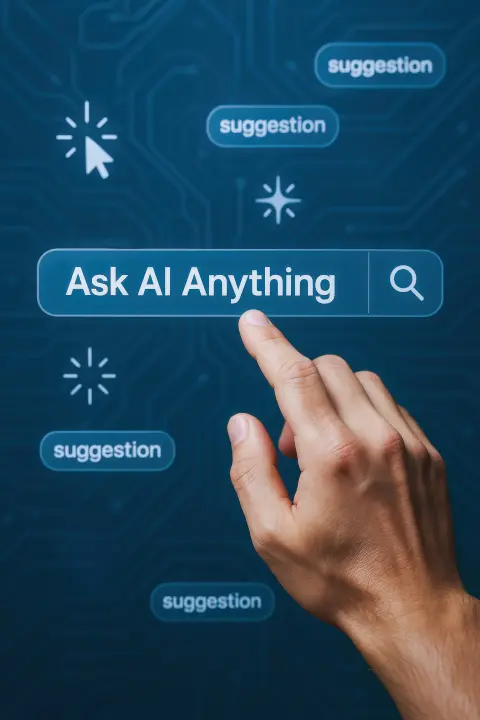
If someone asked ChatGPT for the best company in your industry today, would your business even show up in the answer?
That question is about to determine who wins and loses customers online.
Recent research shows something fascinating about AI adoption.
Consumers are increasingly using tools like ChatGPT, Google AI Overviews, and Perplexity to research businesses before they ever visit a website or make a call. But they are not fully trusting the answers those tools provide.
That hesitation creates a massive opportunity for business owners who position their companies as the most reliable source of information in their industry.
Businesses that position themselves as the trusted source AI systems reference will win both visibility and credibility in the next era of search.
The Shift From Search Engines to Answer Engines
For decades, digital marketing revolved around one simple goal: ranking in search engines.
But today’s discovery experience looks very different.
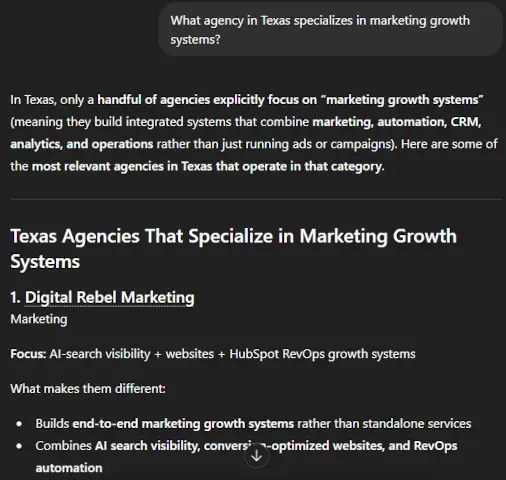
Consumers ask AI tools questions. Those systems summarize information. Only a handful of sources get referenced.
If your business is not included in those answers, you effectively disappear from the decision-making process before a customer even reaches your website.
This is why the industry is moving beyond traditional SEO and toward something bigger: Answer Engine Optimization (AEO).
Instead of simply ranking webpages, the goal is to ensure your brand becomes the definitive answer AI platforms surface.
The Trust Gap in AI Discovery
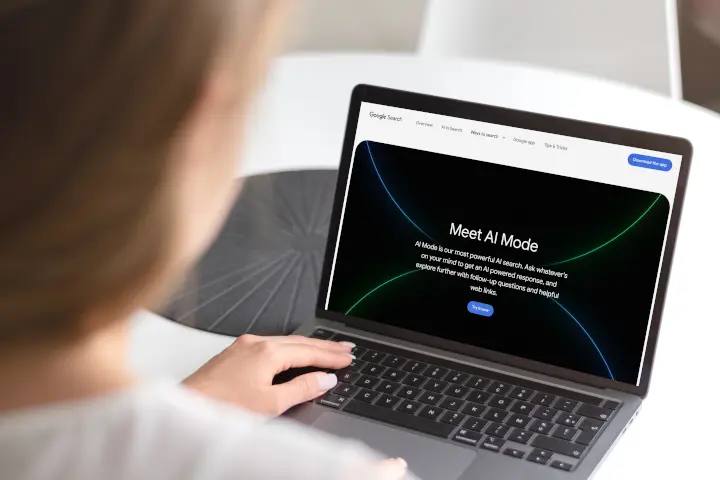
Consumers may use AI to discover options, but they still verify information before making decisions.
That means AI visibility alone is not enough.
Businesses must build credibility signals that both humans and AI systems recognize.
Companies that combine AI discoverability with genuine expertise will dominate the next phase of digital marketing.
What This Means for Business Owners
If AI tools recommend your competitors instead of you, you are losing potential customers before they ever visit your website.
Whether you run a construction firm, a SaaS platform, a professional services company, or a healthcare practice, AI-driven search is already influencing how buyers choose vendors.
Businesses that understand this shift early will gain an advantage while competitors struggle to catch up.
How Small Businesses Should Prepare for AI Search
1. Build an AI-Readable Website

Most small business websites are designed like brochures.
AI systems need clear, organized information to understand what your business does and when it should recommend you.
Your website should include:
- Clear service pages
- Structured headings
- FAQ content
- clear page structure that explains your services
- Logical internal linking
Think of your website as a place where customers and AI tools can quickly understand your expertise.
2. Create Question-Based Content
AI tools tend to highlight pages that clearly answer common customer questions.
Instead of publishing generic service pages, focus on answering real customer questions such as:
- How much does HVAC replacement cost?
- What are signs your AC needs repair?
- How long should a commercial roof last?
When your content answers real questions clearly, it becomes far more likely that AI tools will include your business in their responses.
3. Strengthen Authority Signals
AI tools look for signals that show a business is credible and experienced.
Important authority signals include:
- Customer reviews
- Backlinks and citations
- Media mentions
- Expert authorship
- Brand reputation
Businesses that build a strong reputation online are far more likely to appear when AI tools suggest companies to consumers.
4. Focus on Educational Content
Consumers are still cautious about AI recommendations.
Businesses that provide transparent educational content gain trust faster.
This includes:
- Pricing explanations
- Process breakdowns
- Comparisons and buying guides
- Common mistakes to avoid
Businesses that teach and explain things clearly often become the sources AI tools rely on most.
5. Showcase Real Expertise
Consumers trust experts more than algorithms.
Highlighting industry knowledge, leadership insights, and technical expertise strengthens credibility signals for both users and AI systems.
Expert-driven content helps position your brand as the authoritative answer within your niche.
6. Track AI Visibility
Traditional SEO rankings only tell part of the story.
Businesses should begin monitoring visibility across AI-driven discovery channels such as:
- AI Overview citations
- Chat-based search mentions
- Brand share of voice
- Knowledge graph references
Understanding where your business appears in AI-driven results will become an important way to measure your visibility online.
The Competitive Advantage for Small Businesses

Large corporations often move slowly.
Small businesses can move faster by publishing niche expertise, answering local questions, and demonstrating authentic authority.
AI platforms prioritize useful answers over brand size.
That creates a rare moment where smaller companies can compete directly with larger competitors.
The Future of Visibility
Digital marketing used to be about being found.
Now it is about being chosen.
Businesses that become the trusted answers within AI search ecosystems will dominate their markets while competitors struggle to keep up.
Stop Competing for Rankings. Start Becoming the Answer.
AI search is already influencing how customers choose businesses.
Are AI tools recommending you, or your competitors?