

Texas SB 140: Why Your SMS Game Just Changed

Chris Martin
Founder, Digital Rebel MarketingTL;DR — What’s Different and Why You Should Care
Starting September 1, 2025, Texas Senate Bill 140 (SB 140) will dramatically expand its telemarketing law (nicknamed the “Texas mini-TCPA”) to include SMS, MMS, and even image or graphic messages as "telephone solicitation." Violations aren't just nuisances anymore; they can be lawsuits with huge penalties and private legal action under the Deceptive Trade Practices Act (DTPA).
What SB 140 Actually Does
1. Expands the Definition of Telemarketing
"Telephone solicitation" now covers:
- Text messages (SMS)
- Multimedia messages (MMS), including images and graphics
- Other transmissions meant to sell
That means your emoji-filled specials and discount banners count as telemarketing.
2. Private Right of Action via DTPA
Consumers can now sue directly for violations—no more waiting for the state to act. It’s like giving customers a real gun in your firing range:
- Economic damages
- Treble damages for intentional violations
- Attorneys’ fees and injunctive relief
And yes, they can sue multiple times—even for the same offense.
3. Registration Requirements (Unless You’re Exempt)
If you send marketing texts or calls to Texas residents—or even from Texas—you likely must:
- Register with the Texas Secretary of State
- Pay $200/year + post $10,000 in security (bond, CD, LOC)
But some exemptions apply:
- Current/former customers, if your business has operated under the same name for at least 2 years
- Brick-and-mortar retail sellers meeting similar criteria
- Certain nonprofits, publicly traded companies, financial institutions, educational institutions, food businesses
4. Quiet Hours Now Apply to Texts Too
You can only send marketing texts during:
- Mon–Sat: 9 a.m. – 9 p.m.
- Sun: 12 p.m. – 9 p.m.
Violating these curfews? Personal injury via lawsuit territory.
5. Do-Not-Call List and Safe Harbor Still Matter
- You can’t text numbers on the Texas Do-Not-Call list (60 days after addition).
- There’s still a “safe harbor” for one-off mistakes, but only if you had written procedures in place before the slip-up.
What Your Business Needs to Do
- Audit Your Messaging
- Map out every SMS/MMS/text campaign to Texas residents (via geography—not just area code).
- Track opt-in clearly, preferably with double opt-in and timestamped records.
- Assess Exemption Status
- If you only message “customers” (i.e., actual buyers) under the same business name for 2+ years, you may be exempt.
But “customer” is undefined—courts might interpret it broadly (visitor, subscriber), or narrowly (completed purchase). - Other exemptions (nonprofit, education, food, etc.) may apply—document your case carefully.
- If you only message “customers” (i.e., actual buyers) under the same business name for 2+ years, you may be exempt.
- Register If You’re Not Exempt
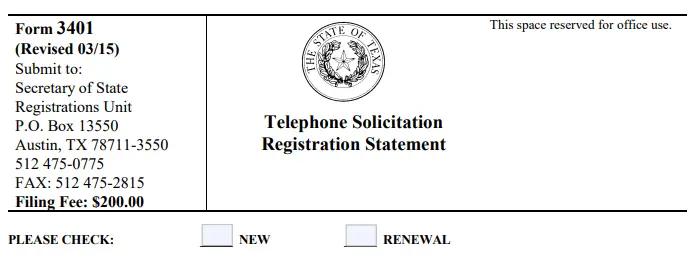
You’ll need to:- File Form 3401 + $200 annual fee
- Post $10,000 security via bond/CD/LOC form (like 3403/3404/3405)
- Appoint Texas SOS as agent (Form 3406)
- Provide quarterly salesperson addenda and annual renewals
- Update Your Consent & Opt-Out Workflow
- Honor opt-outs immediately and permanently.
- Respect quiet hours.
- Keep audit-ready logs and proof of compliance.
- Train Your Team. Anyone responsible for marketing, messaging systems, or vendor management needs to know about:
- Expanded definitions
- Registration status
- Quiet hours
- Opt-out protocols
- Risks of repeated violations
- Brace for Litigation Risk. SB 140 basically hands consumers a lawsuit cannon. Prepare for serial claims—even automated tools might not shield you if paperwork is sloppy.
Final Thoughts (Digital Rebel Pep Talk)
Here’s the bottom line: SB 140 doesn't just add a few pesky rules—it supercharges risk. But if you build your compliance fortress now, the fallout can be avoided. Focus on:
- Bulletproof consent
- Proper registration (or documented exemptions)
- Instant opt-outs
- Messaging only during permitted hours
- Clear staff training and logged records
In the words of Digital Rebel: Don’t leave your brand hanging naked in court. Own the rules before they own your bottom line. Want help drafting consent language or internal policy? I’m ready when you are.